
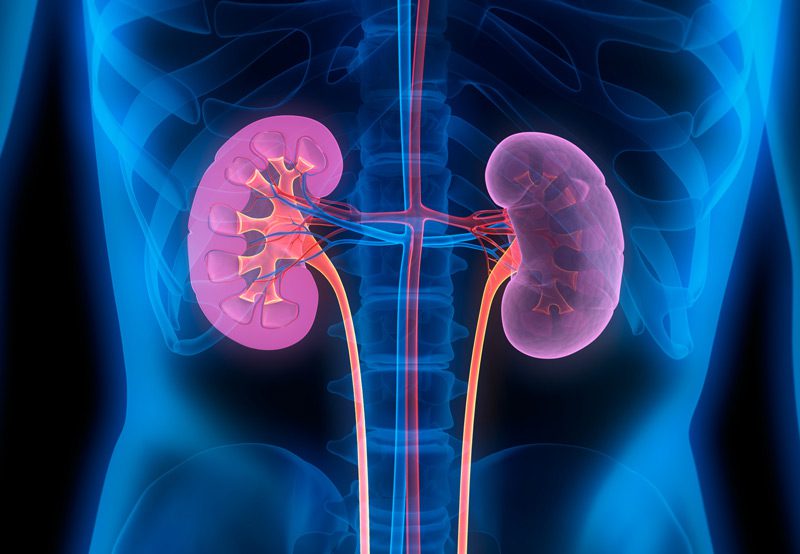
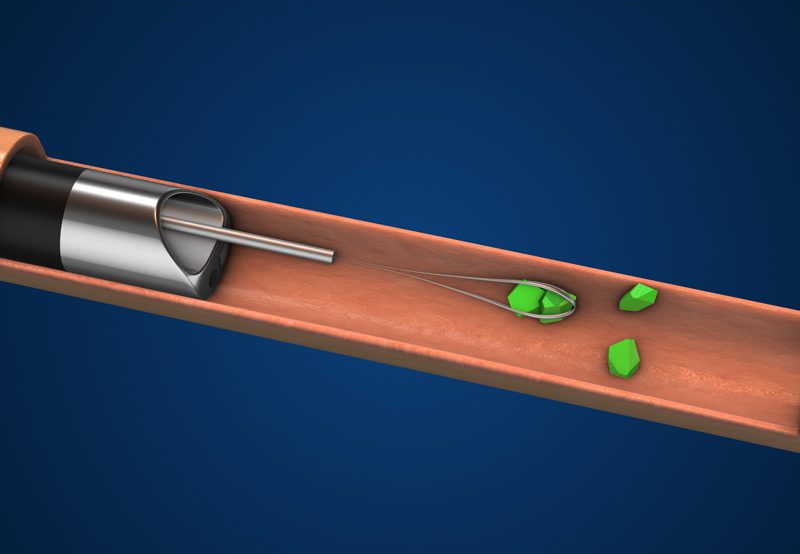
Ureteroscopy is a minimally invasive procedure used to diagnose and treat problems in the urinary tract, most commonly kidney and ureteral stones. A thin, flexible or rigid scope called a ureteroscope is inserted through the urethra and bladder and advanced into the ureter to allow direct visualization of stones, tumors, or structural abnormalities. Ureteroscopy is one of the most commonly performed procedures in modern urology and does not require any incisions.
When Ureteroscopy Is Used
Ureteroscopy may be recommended for patients with:
- Stones in the ureter or kidney that are too large to pass
- Stones that failed to respond to shockwave lithotripsy
- Ureteral or renal tumors requiring biopsy or removal
- Strictures or structural abnormalities needing further evaluation
- Persistent hematuria with an unclear cause
It is often the preferred approach for mid and lower ureteral stones, especially when other options are not feasible or have been unsuccessful.
How the Procedure Works
The procedure is typically done under general or spinal anesthesia. The ureteroscope is inserted through the natural urinary passageways, requiring no cuts or incisions. Once the stone is located, it is either removed with a small basket or fragmented using a laser, most commonly the holmium:YAG laser.
In many cases, a temporary stent (thin plastic tube) is placed in the ureter after the procedure to allow healing and prevent blockage from swelling or stone fragments.
Recovery After Ureteroscopy
Most patients go home the same day. Recovery is usually rapid, with many people returning to normal activities within 24–48 hours.
Temporary side effects may include:
- Blood in the urine
- Urinary urgency or frequency
- Mild discomfort during urination
- Flank or bladder pain
These typically resolve within a few days. If a stent is placed, some discomfort may persist until it is removed.
Potential Risks and Considerations
Ureteroscopy is considered very safe, but possible risks include:
- Ureteral injury or perforation (rare)
- Urinary tract infection
- Incomplete stone removal requiring additional treatment
- Discomfort related to stent placement
Stents are usually removed in a few days to weeks, often in the clinic without anesthesia.
Effectiveness and Outcomes
Ureteroscopy has a very high success rate for stone treatment, especially when using laser lithotripsy. It is effective for stones in all parts of the ureter and kidney and can be used regardless of stone composition.
It also allows for biopsy and treatment of tumors and strictures, making it a versatile tool in urologic care.
When to See a Urologist
If you’re experiencing ongoing pain, recurrent urinary tract infections, or have been diagnosed with a ureteral or kidney stone that isn’t passing, a consultation with a urologist can help determine if ureteroscopy is right for you.