

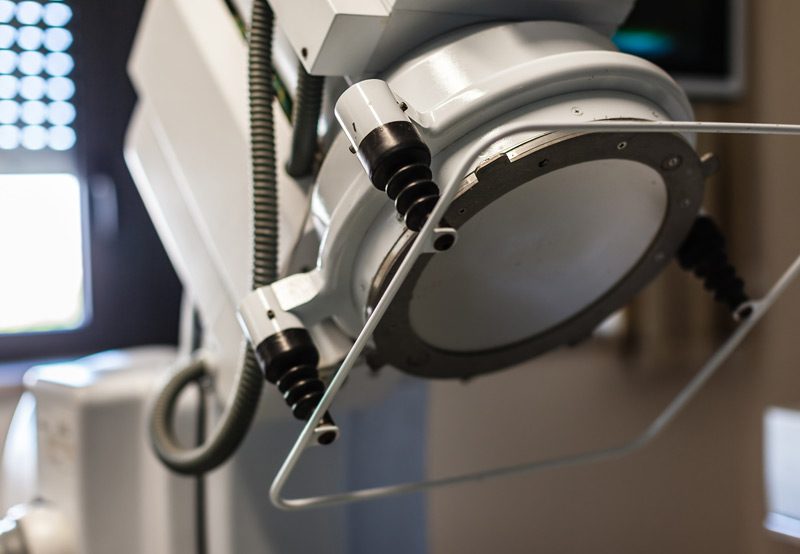
Shockwave lithotripsy (SWL) is a non-invasive procedure used to break up kidney or ureteral stones into smaller fragments so they can pass naturally through the urinary tract. It is one of the most commonly used first-line treatments for stones that are too large to pass on their own but are still small enough to avoid surgical removal. SWL uses focused acoustic pulses (shockwaves) delivered from outside the body to disintegrate stones without the need for incisions or scopes.
When Shockwave Lithotripsy Is Used
SWL may be recommended for patients who have:
- Kidney stones between 4 mm and 20 mm in diameter
- Stones located in the kidney or upper ureter
- Stones visible on X-ray or ultrasound imaging
- Minimal or no obstruction or infection
- No significant bleeding disorders or pregnancy
SWL is generally not used for very large stones, staghorn calculi, cystine stones, or stones located in certain parts of the urinary tract where passage is unlikely. In those cases, other treatments such as ureteroscopy or percutaneous nephrolithotomy may be more effective.
How the Procedure Works
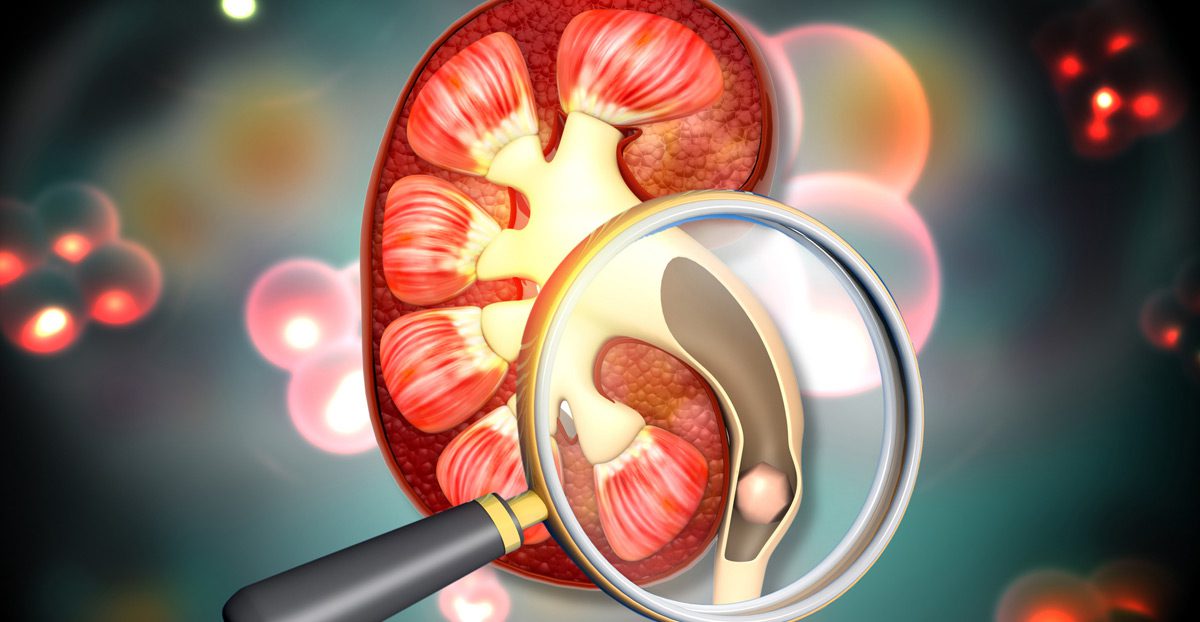
During SWL, X-ray or ultrasound guidance is used to precisely target the stone. A lithotripter generates focused shockwaves that travel through the body and break the stone into smaller pieces over the course of 30–60 minutes. Anesthesia or sedation is often used to reduce discomfort, depending on the stone size and location.
Recovery After SWL
After treatment, the stone fragments typically pass over the following days or weeks through urination. Recovery is usually quick, with most patients resuming normal activities within a day or two.
Common short-term effects include:
- Mild back or flank pain
- Blood in the urine
- Discomfort during passage of fragments
- Bruising at the site of shockwave application
Potential Risks and Considerations
While SWL is considered safe, some risks may include:
- Incomplete fragmentation, requiring repeat treatment
- Ureteral obstruction from stone fragments (steinstraße)
- Rare kidney bleeding or infection
- Need for stent placement before or after the procedure in select cases
Effectiveness and Outcomes
Success depends on the stone’s size, location, and composition. Stones that are softer (like uric acid or calcium oxalate dihydrate) and located in the upper urinary tract tend to break more easily.
Follow-up imaging is typically scheduled to monitor stone clearance. If fragments remain or cause blockage, additional intervention may be necessary.
When to See a Urologist
If you’re experiencing persistent flank pain, blood in the urine, or recurrent urinary tract infections, it’s important to consult a urologist for evaluation. Shockwave lithotripsy may be an appropriate option for clearing stones safely and effectively without surgery.