

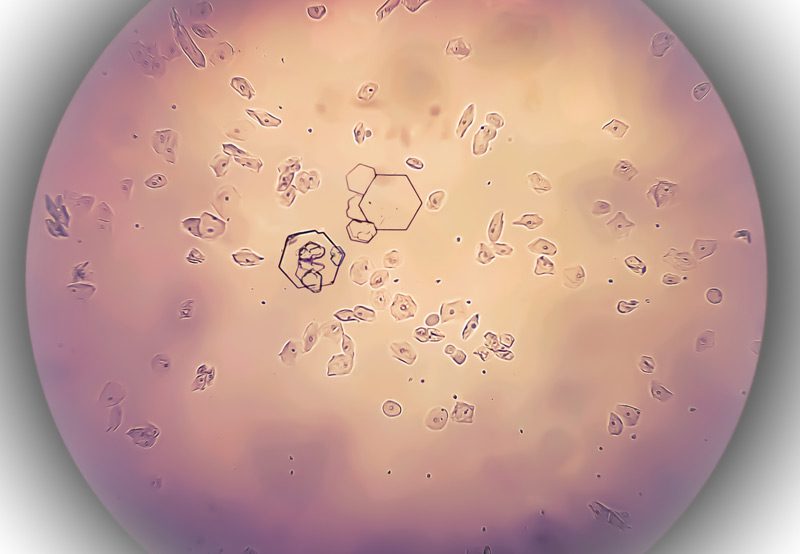
Kidney stones are hard mineral deposits that form in the urinary tract and can cause significant pain, urinary problems, and recurrence if left unmanaged. Prevention of kidney stones involves identifying underlying causes and implementing long-term strategies tailored to each individual’s risk factors. Many patients can reduce their risk of stone formation through dietary changes, increased fluid intake, and, in some cases, medication.
Common Causes of Kidney Stones
Kidney stones form when urine becomes overly concentrated with stone-forming substances like calcium, oxalate, or uric acid. Contributing factors include:
- Dehydration or low urine output
- High intake of sodium, animal protein, or oxalate-rich foods
- Genetic predisposition (such as cystinuria)
- Obesity or metabolic syndrome
- Recurrent urinary tract infections
- Certain medications or medical conditions, including gout or hyperparathyroidism

Dietary Recommendations for Stone Prevention
A urologist or nephrologist will often recommend dietary adjustments based on the type of stone and 24-hour urine testing. General dietary guidelines include:
- Increase Fluid Intake: Aim for at least 2.5–3 liters of fluid daily to produce more than 2 liters of urine per day. Water is best, though citrus drinks (like lemonade or orange juice) may help by increasing urinary citrate.
- Reduce Sodium: Lower sodium intake to reduce calcium excretion in urine. Processed foods, canned soups, and restaurant meals are common sources of excess salt.
- Moderate Animal Protein: High consumption of meat, fish, and poultry can raise uric acid levels and lower urinary citrate. A balanced diet with plant-based proteins may be beneficial.
- Limit Oxalate-Rich Foods (for calcium oxalate stones): Spinach, beets, nuts, and chocolate are high in oxalates and should be consumed in moderation. Pairing them with calcium-containing foods may help reduce absorption.
- Get Adequate Calcium: Contrary to popular belief, low calcium diets may increase stone risk. Dietary calcium (not supplements) binds with oxalate in the gut and reduces stone formation.
Medical Management
When dietary changes are not enough, medications may be prescribed to reduce the risk of recurrence:
- Thiazide Diuretics: Reduce urinary calcium in patients with calcium-based stones.
- Potassium Citrate: Increases urinary citrate and helps prevent stone formation.
- Allopurinol: May be used for patients with high uric acid levels.
- Antibiotics or antiseptics: May be necessary for those prone to infection-related struvite stones.
All medication-based prevention is tailored based on the results of urine and blood testing.
24-Hour Urine Testing
A key tool in prevention is the 24-hour urine collection. This test measures urine volume and identifies abnormal levels of calcium, oxalate, citrate, uric acid, sodium, and other markers. It helps personalize prevention strategies and track the effectiveness of treatment.
When to Seek Guidance
If you’ve had one or more kidney stones, particularly if they were large, recurrent, or caused complications, a urologist can help evaluate your risk and provide a tailored prevention plan. Long-term stone prevention requires ongoing monitoring and lifestyle management but can significantly reduce the likelihood of future stone events.