
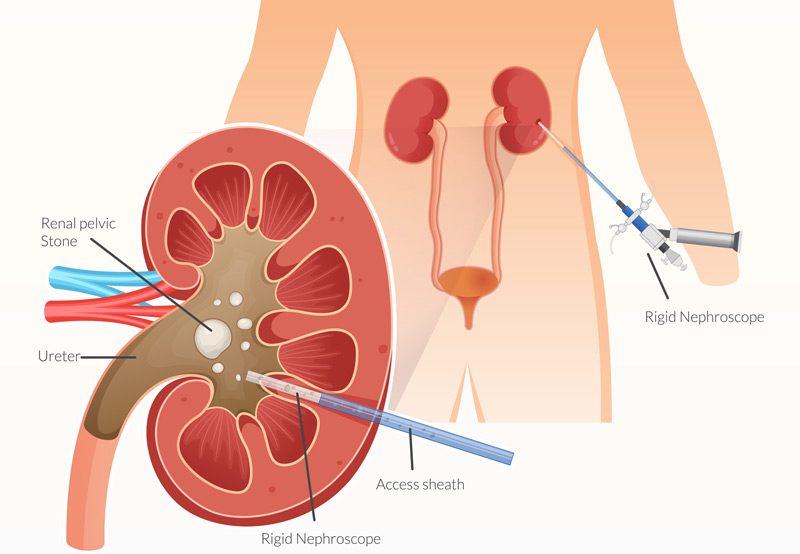
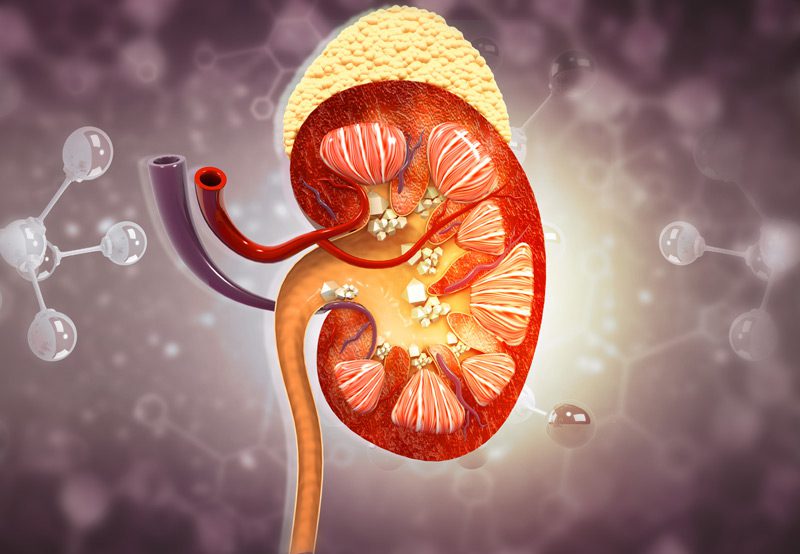
Cystinuria is a rare inherited condition that causes recurrent kidney stone formation due to excess cystine in the urine. Cystine is an amino acid that, when present in high concentrations, can crystallize and form stones. Unlike more common calcium-based stones, cystine stones are less responsive to standard treatments and often recur without lifelong management. Other rare stone types, such as xanthine, uric acid, struvite, or drug-induced stones, also require individualized evaluation and treatment strategies.
Causes of Cystinuria and Rare Stones
These stones are typically linked to genetic or metabolic abnormalities that affect how the body processes specific substances:
- Cystinuria: An autosomal recessive disorder causing impaired reabsorption of cystine in the kidneys.
- Xanthinuria: Caused by deficiency of xanthine oxidase, leading to excess xanthine in urine.
- Uric Acid Stones: Linked to high uric acid levels, often due to gout, obesity, or high-purine diets.
- Struvite Stones: Typically caused by chronic infections with urease-producing bacteria.
- Drug-Induced Stones: Certain medications (e.g., indinavir, triamterene) may crystallize in the urine.
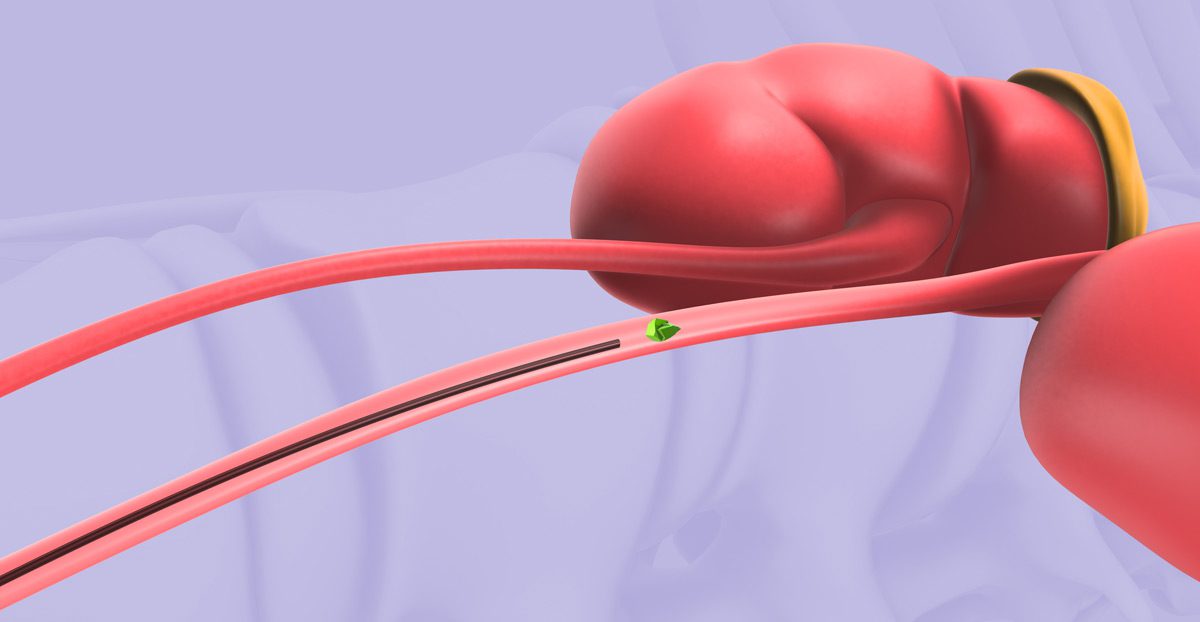
Symptoms of Rare Kidney Stones
The symptoms are similar to those of more common stones but may be more frequent or difficult to manage:
- Flank pain or abdominal discomfort
- Hematuria (blood in the urine)
- Recurrent urinary tract infections
- Nausea or vomiting
- Difficulty passing urine or painful urination
- Frequent stone passage, particularly in cystinuria
Diagnosis
Identifying rare kidney stone types requires specific tests beyond standard imaging:
- CT Scan or Ultrasound: Detects stone location and size.
- 24-Hour Urine Collection: Measures cystine levels and evaluates urine chemistry.
- Stone Analysis: Determines composition to guide prevention.
- Genetic Testing: May confirm cystinuria or other inherited disorders.
- Blood Tests: Assess metabolic abnormalities or kidney function.
Treatment Options
Management of cystinuria and rare stones involves both acute stone removal and long-term prevention:
- Hydration: Aggressively increasing fluid intake helps dilute cystine and other stone-forming compounds.
- Alkalinization of Urine: Medications like potassium citrate can raise urine pH to reduce cystine crystallization.
- Thiol-Containing Drugs: Agents such as tiopronin or penicillamine bind to cystine to form more soluble compounds.
- Dietary Modifications: Low-sodium and low-protein diets may reduce cystine excretion.
- Surgical Options: Persistent or large stones may require ureteroscopy, shockwave lithotripsy, or percutaneous nephrolithotomy (PCNL), depending on the stone’s characteristics.
- Antibiotics: Used in infection-related stones, especially for struvite types.
When to See a Urologist
Patients with recurrent or unusual kidney stones should be evaluated by a urologist, particularly if standard treatments have failed. Individuals with cystinuria often require lifelong monitoring and tailored prevention strategies to minimize stone formation and preserve kidney function. Specialized centers may offer access to advanced diagnostics, genetic counseling, and targeted therapies for rare stone conditions.