


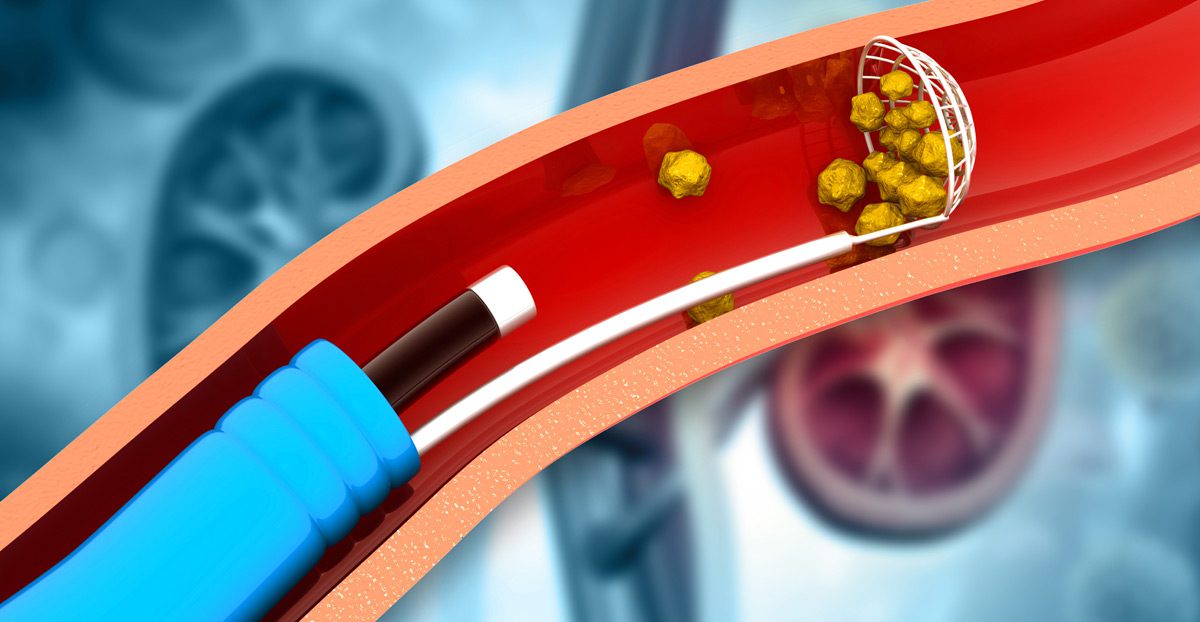
Complex kidney stones are large, irregularly shaped, or located in challenging parts of the urinary tract. Staghorn calculi are a specific type of complex stone that occupy a large portion of the kidney’s collecting system, branching out like the antlers of a stag. These stones are often composed of struvite and are frequently associated with recurrent urinary tract infections. Due to their size and structure, complex and staghorn stones usually cannot pass on their own and require advanced urologic intervention.
Causes of Complex and Staghorn Stones
These stones form due to a combination of infection, abnormal urine chemistry, and structural issues in the urinary tract:
- Recurrent Infections: Urease-producing bacteria raise urine pH and promote struvite stone formation.
- Urinary Stasis: Obstruction or poor drainage can create an environment for stone growth.
- Metabolic Abnormalities: Conditions like hypercalciuria or cystinuria may contribute to large or difficult stones.
- Incomplete Stone Removal: Residual fragments after prior treatments can grow into larger, more complex stones.
- Dehydration: Chronically low fluid intake can concentrate minerals in the urine and promote crystallization.
Symptoms of Complex or Staghorn Stones
Because of their size and potential to block urine flow, symptoms may be more severe or persistent:
- Chronic flank or abdominal pain
- Recurrent urinary tract infections
- Fever or chills (suggesting infection)
- Hematuria (blood in urine)
- Decreased kidney function or signs of kidney failure in severe cases
- Difficulty or pain with urination
Diagnosis
A comprehensive evaluation is essential to determine the size, location, and impact of complex stones:
- Non-Contrast CT Scan: The most accurate tool to assess stone burden and guide treatment planning.
- Urinalysis and Urine Culture: Identifies infection and detects crystals or hematuria.
- Renal Ultrasound: Assesses kidney anatomy and hydronephrosis, especially in patients avoiding radiation.
- Blood Tests: Evaluate kidney function and metabolic contributors.
- Stone Analysis: Essential for guiding long-term prevention strategies after treatment.
Treatment Options
Due to their size and structure, complex and staghorn stones require surgical intervention rather than medical expulsion:
- Percutaneous Nephrolithotomy (PCNL): The standard of care for large staghorn stones. A small incision is made in the back, and instruments are used to break and remove the stone.
- Mini-PCNL or Ultrasound-Guided Approaches: Used in select cases to minimize tissue disruption while still ensuring complete stone clearance.
- Staged Procedures: Large stone burdens may require multiple procedures for full removal.
- Antibiotics: Treating or preventing infection is critical, especially with struvite stones.
- Metabolic Evaluation and Prevention: A full metabolic workup helps prevent recurrence, particularly for patients with a history of complex stones.
When to See a Urologist
Patients with large, recurrent, or symptomatic stones should be evaluated by a urologist experienced in managing complex kidney stone disease. Early intervention can preserve kidney function, prevent infection, and reduce the risk of long-term complications. Staghorn stones in particular require timely treatment to avoid irreversible kidney damage.