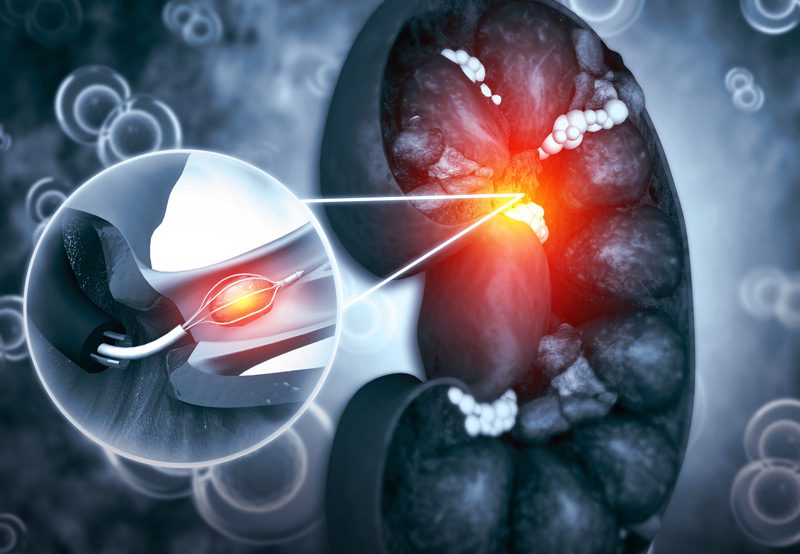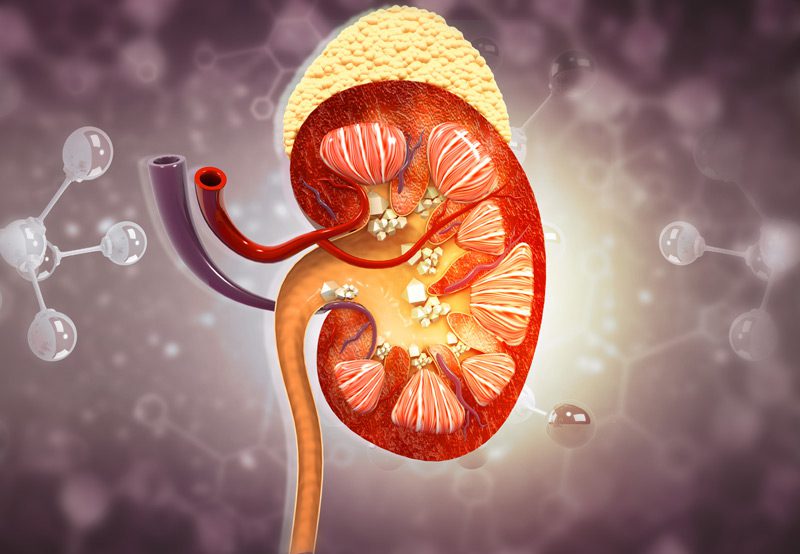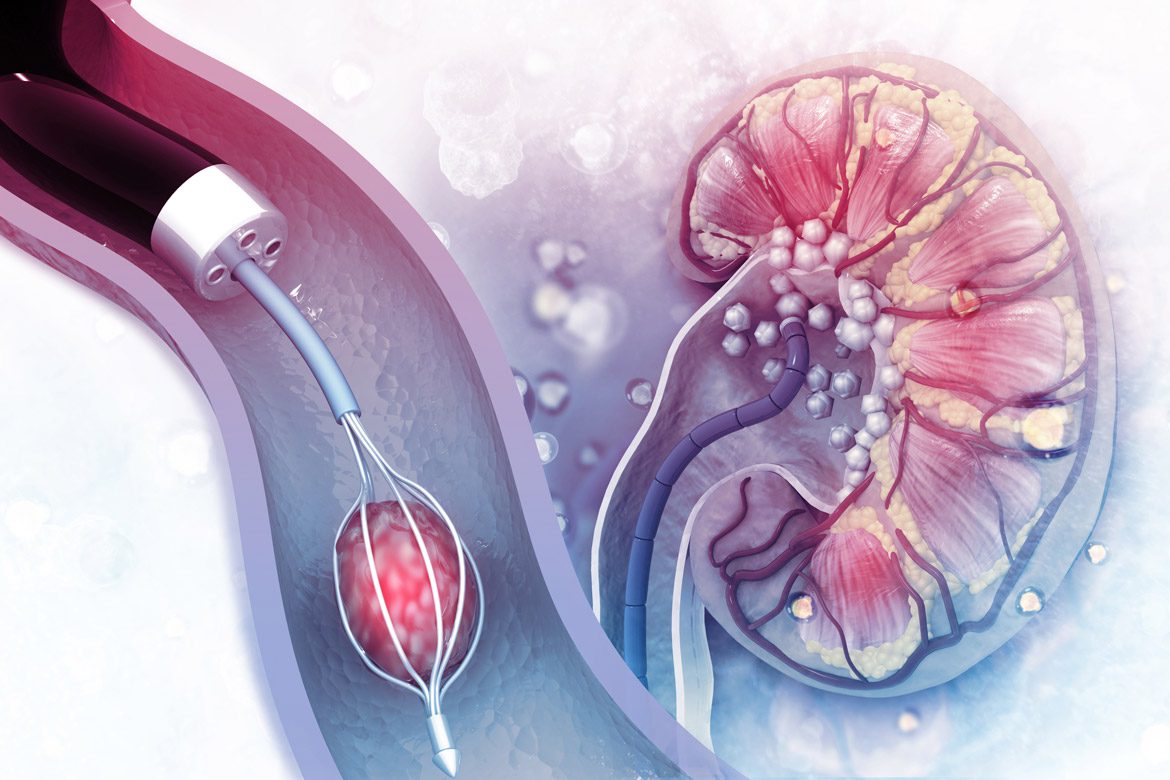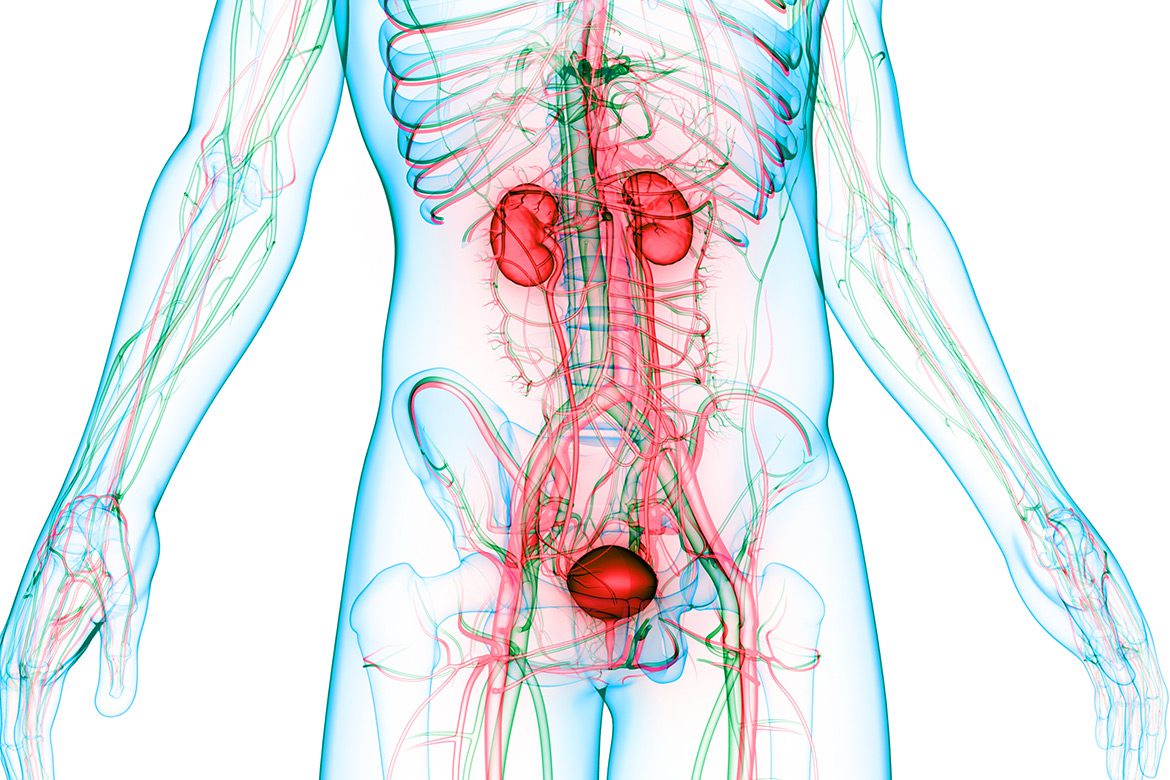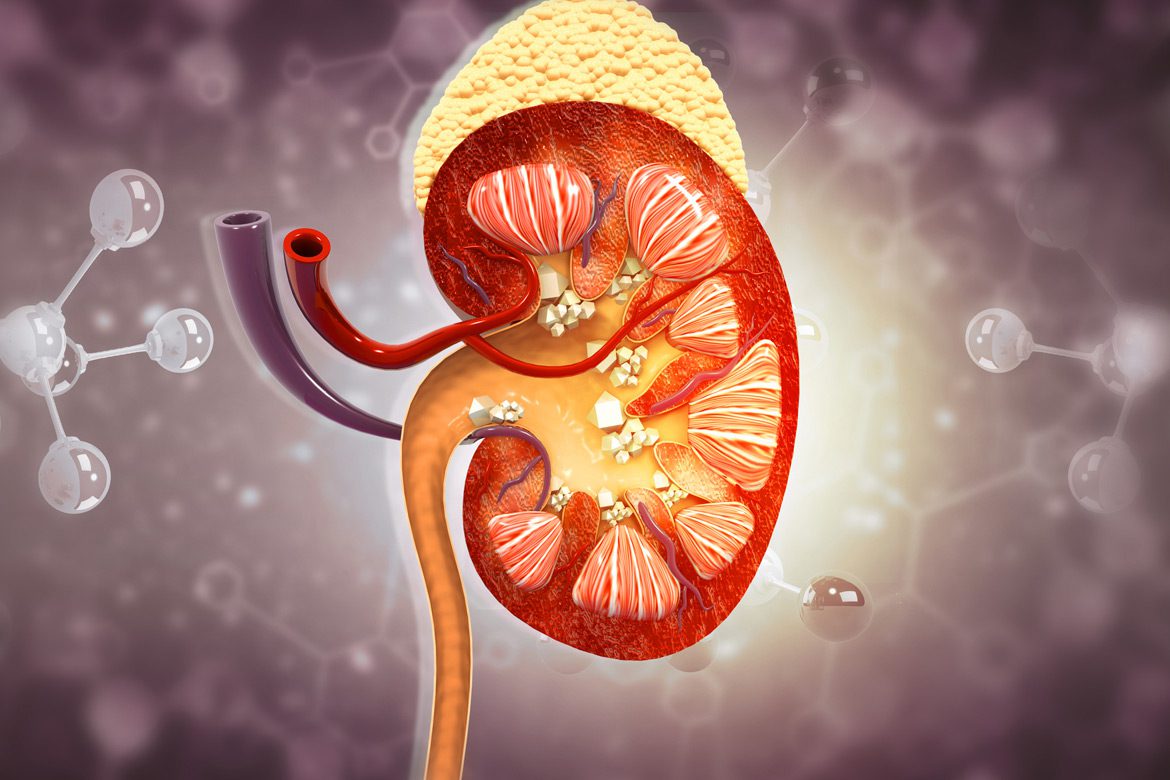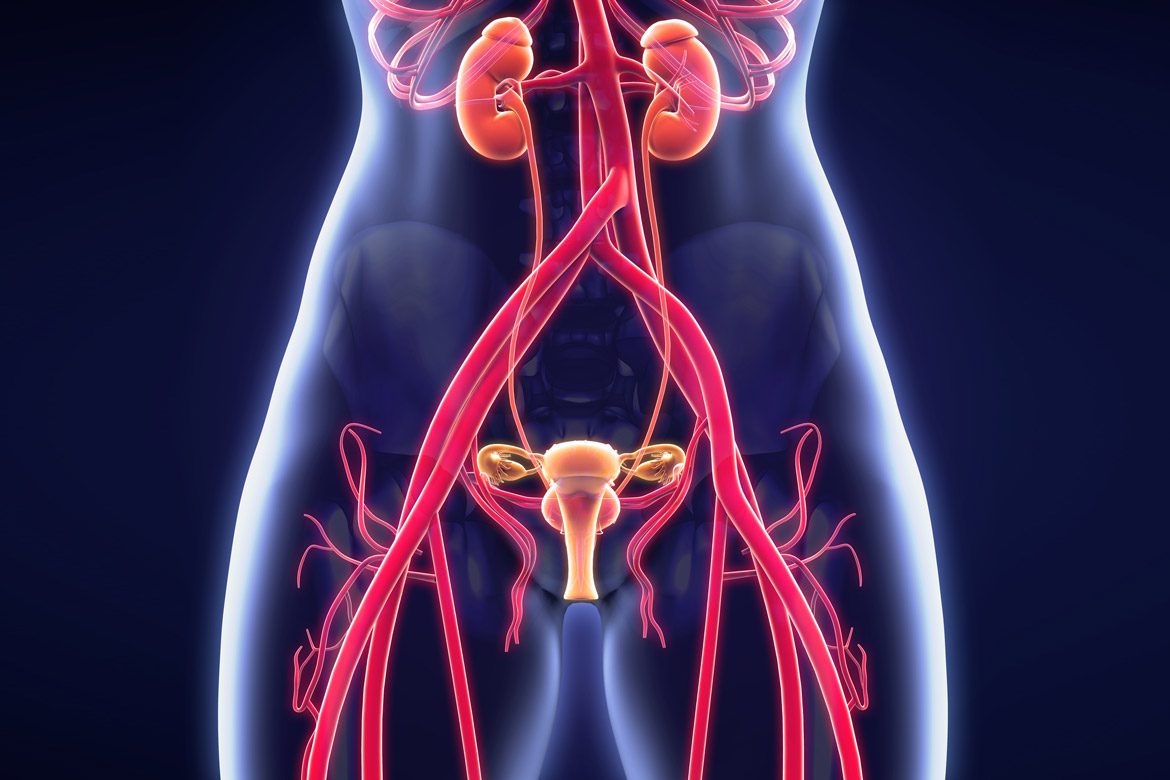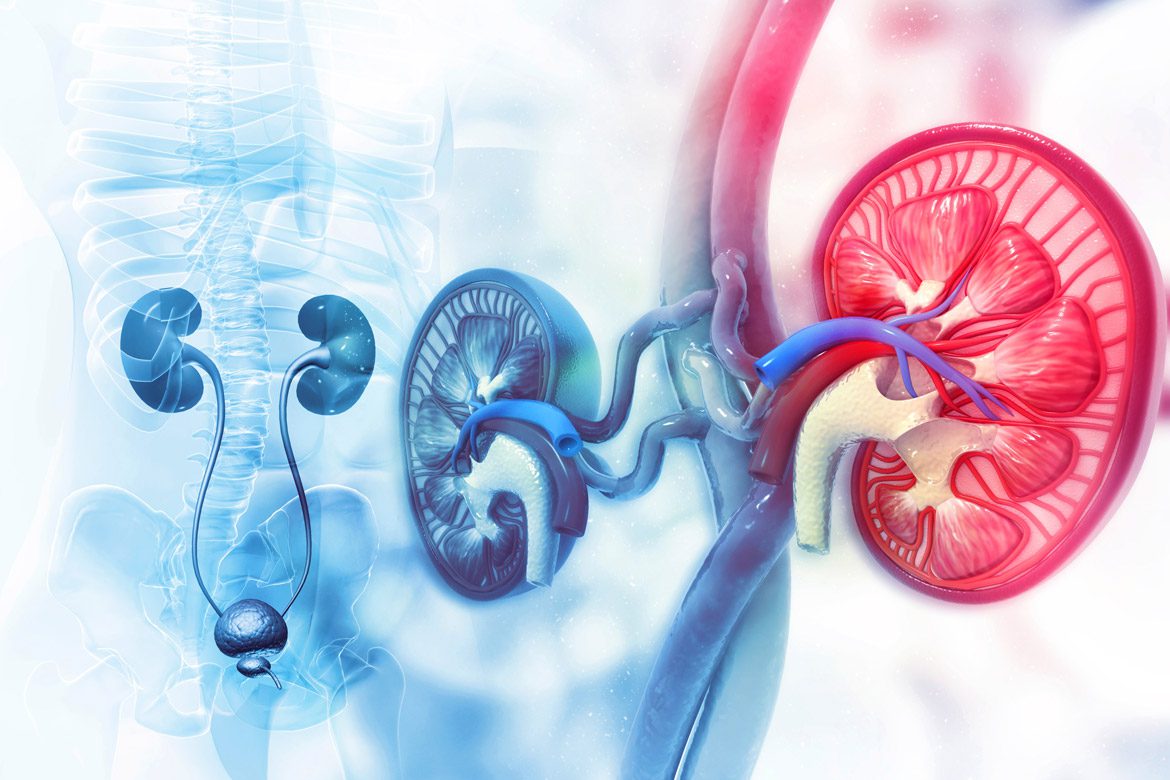


Percutaneous nephrolithotomy (PCNL) is a minimally invasive surgical procedure used to remove large, complex, or treatment-resistant kidney stones. It involves creating a small incision in the back to access the kidney directly and extract or break up the stones. PCNL is considered the gold standard for managing staghorn calculi, cystine stones, and other large or dense stone burdens that cannot be treated effectively with shockwave lithotripsy or ureteroscopy. Variations of PCNL, including mini-PCNL and ultrasound-guided techniques, offer added precision and reduced recovery times for selected patients.
Indications for PCNL
PCNL is typically recommended when:
- Kidney stones are larger than 2 centimeters
- Stones are staghorn-shaped or occupying multiple areas of the kidney
- Stones have failed to respond to other forms of treatment
- There is a need to clear multiple stones in a single procedure
- Infection, obstruction, or compromised kidney function is present

How PCNL Works
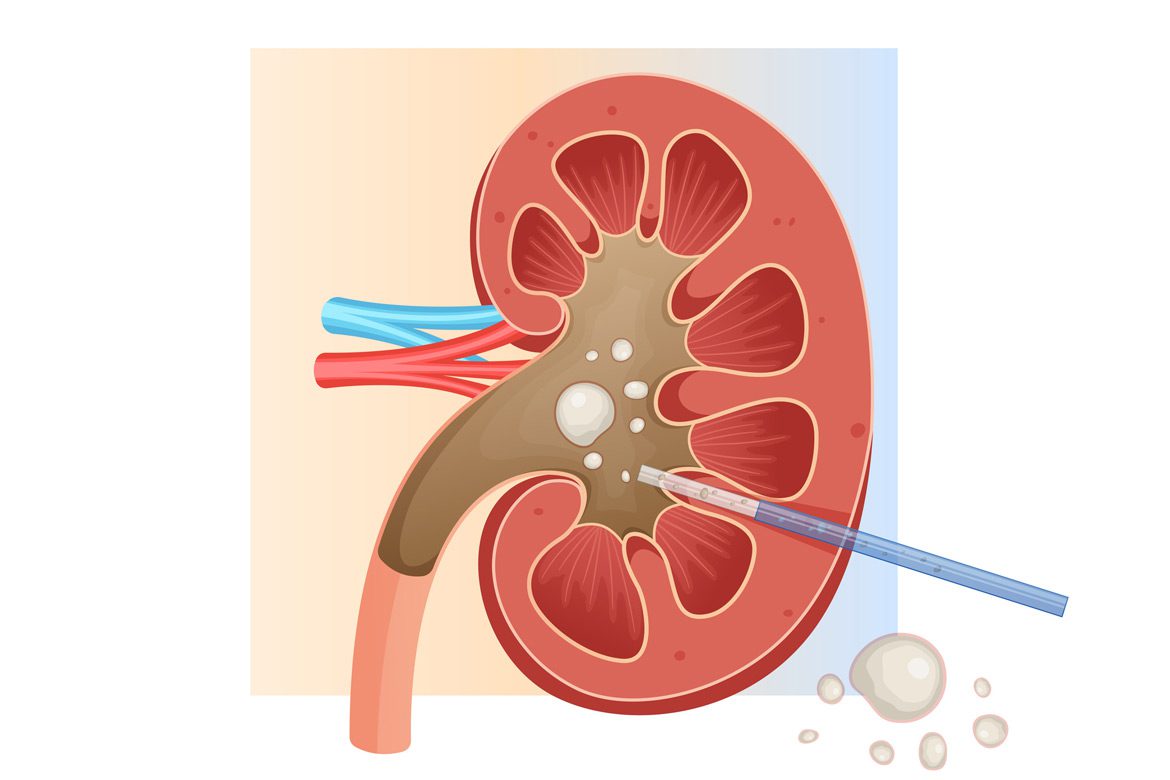
The procedure is performed under general anesthesia. A small incision is made in the back, and a tract is created through the skin into the kidney. A nephroscope is inserted through this tract, allowing the urologist to locate the stone. The stone is then fragmented using ultrasound, laser, or pneumatic energy and removed through the access sheath. In many cases, a nephrostomy tube is placed temporarily to ensure proper drainage during healing.
Mini-PCNL
Mini-PCNL is a variation that uses a smaller tract size, usually 14 to 20 French (Fr), compared to the traditional 24 to 30 Fr size. Benefits of mini-PCNL may include:
- Reduced bleeding
- Less postoperative pain
- Shorter hospital stays
- Faster return to daily activities
This technique is often used for medium-sized stones or in patients with smaller body habitus.
Ultrasound-Guided PCNL
Ultrasound can be used in place of or alongside fluoroscopy to guide access to the kidney. This radiation-free approach provides real-time imaging and is particularly useful in:
- Patients with contrast allergies
- Pregnancy
- Pediatric cases
- Reducing radiation exposure for both patient and surgical team
Advantages of PCNL Over Other Stone Treatments
- Direct access allows complete stone clearance, even for large or complex stones
- Higher success rates in a single session compared to shockwave or ureteroscopic approaches
- Suitable for stones resistant to fragmentation
- Adaptable to various technologies, including laser and ultrasonic lithotripsy
Recovery and Follow-Up
Most patients stay in the hospital for 1–2 days following the procedure. A nephrostomy tube and/or ureteral stent may remain in place temporarily to ensure drainage.
Postoperative expectations include:
- Mild discomfort at the incision site
- Possible blood in the urine for a short time
- Imaging follow-up to confirm stone clearance
- 24-hour urine testing and metabolic evaluation for recurrent stone formers
When to See a Urologist
If you have large kidney stones, staghorn calculi, or recurrent stones that don’t respond to non-surgical treatments, a urologist can evaluate whether PCNL or a mini-PCNL approach is appropriate. Early intervention can prevent complications such as infection, hydronephrosis, or permanent kidney damage. Patients should also follow up for metabolic stone workups and prevention strategies.