
Kidney Stones

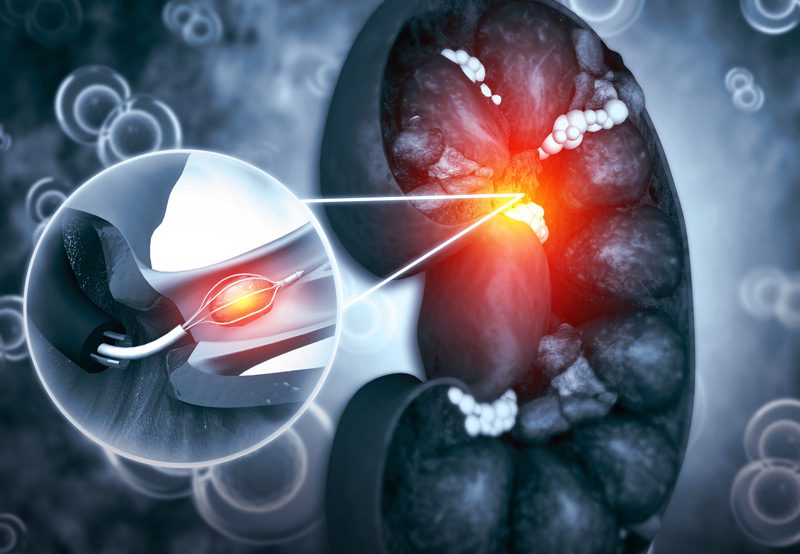
3D-vector-illustration-of-shock-wave-lithotripsy
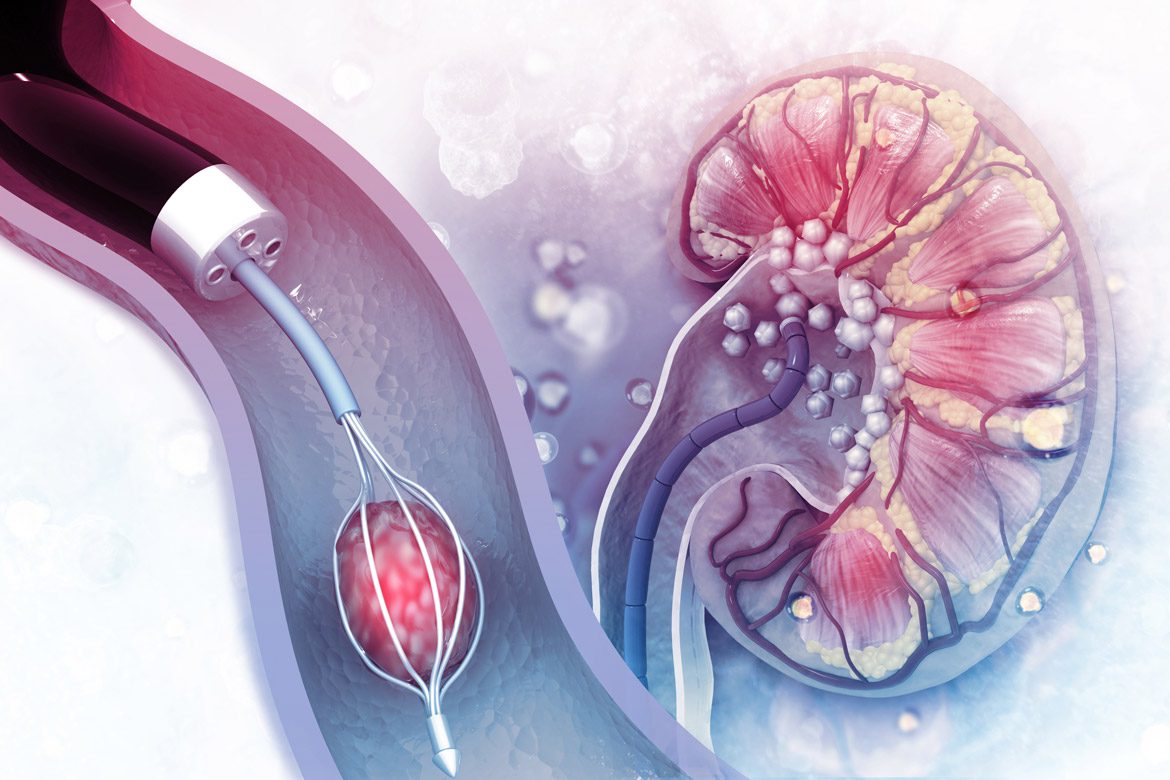
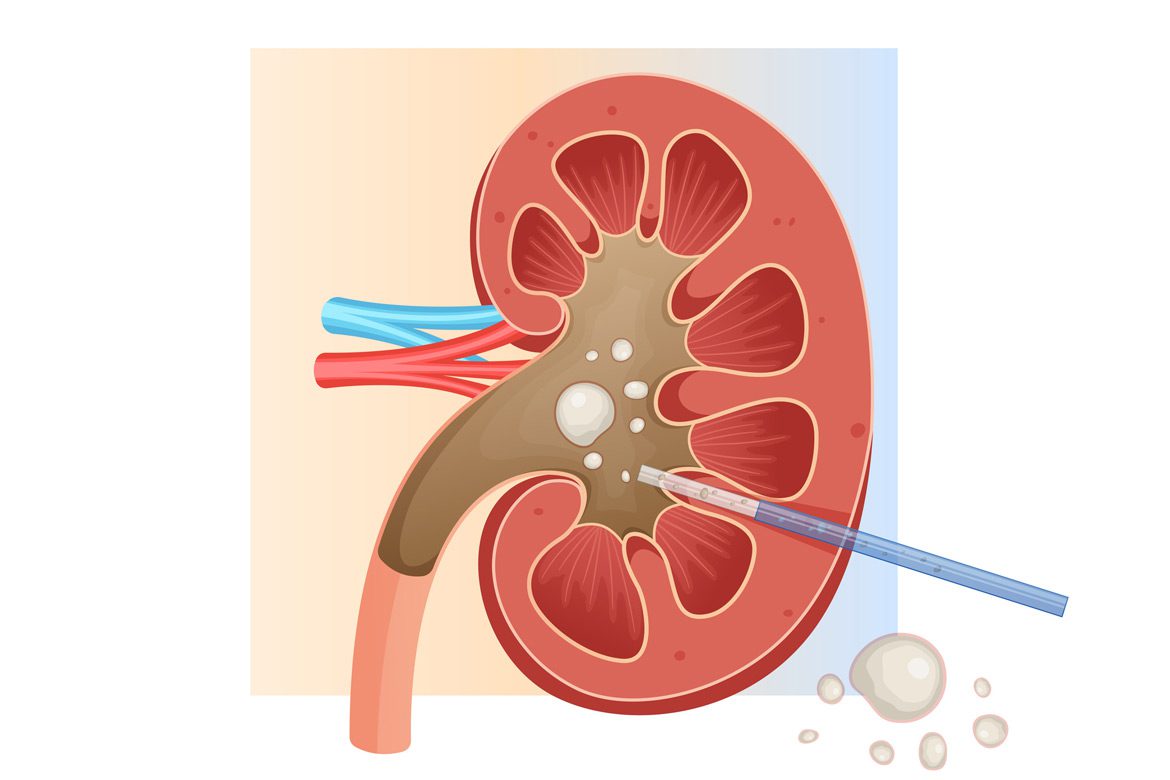
Endoscopic-procedure-for-removing-stones-from-kidneys

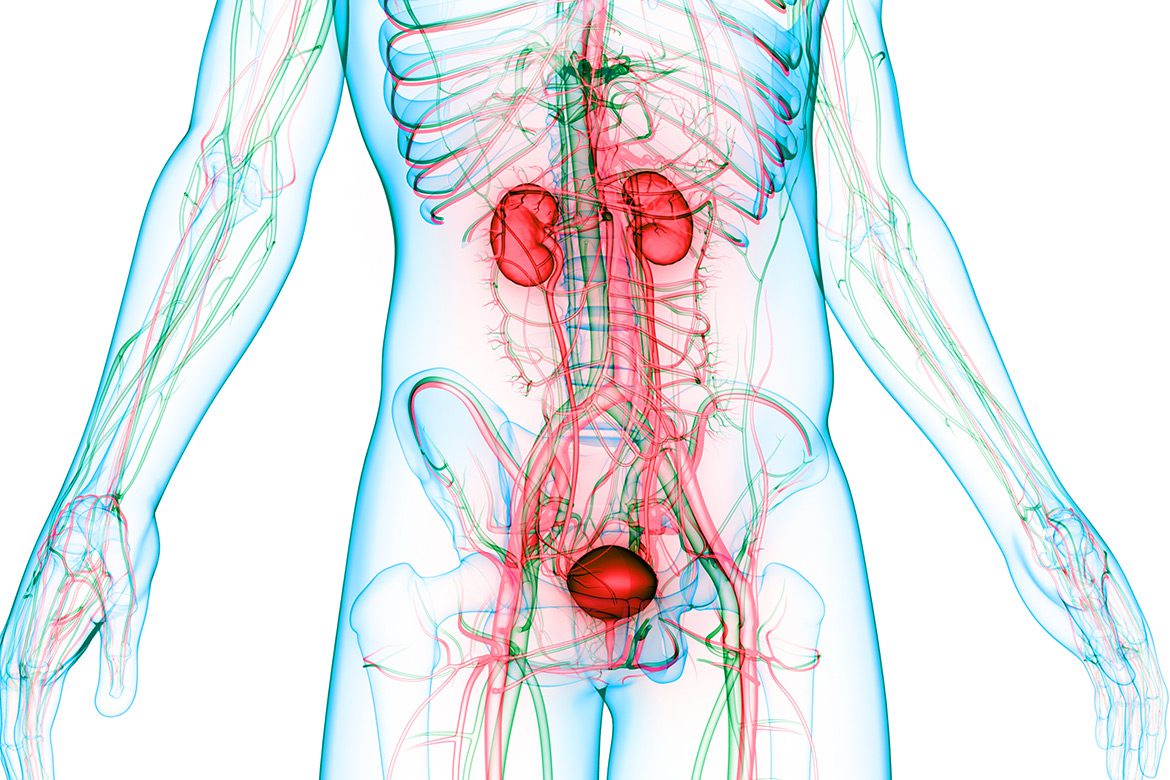
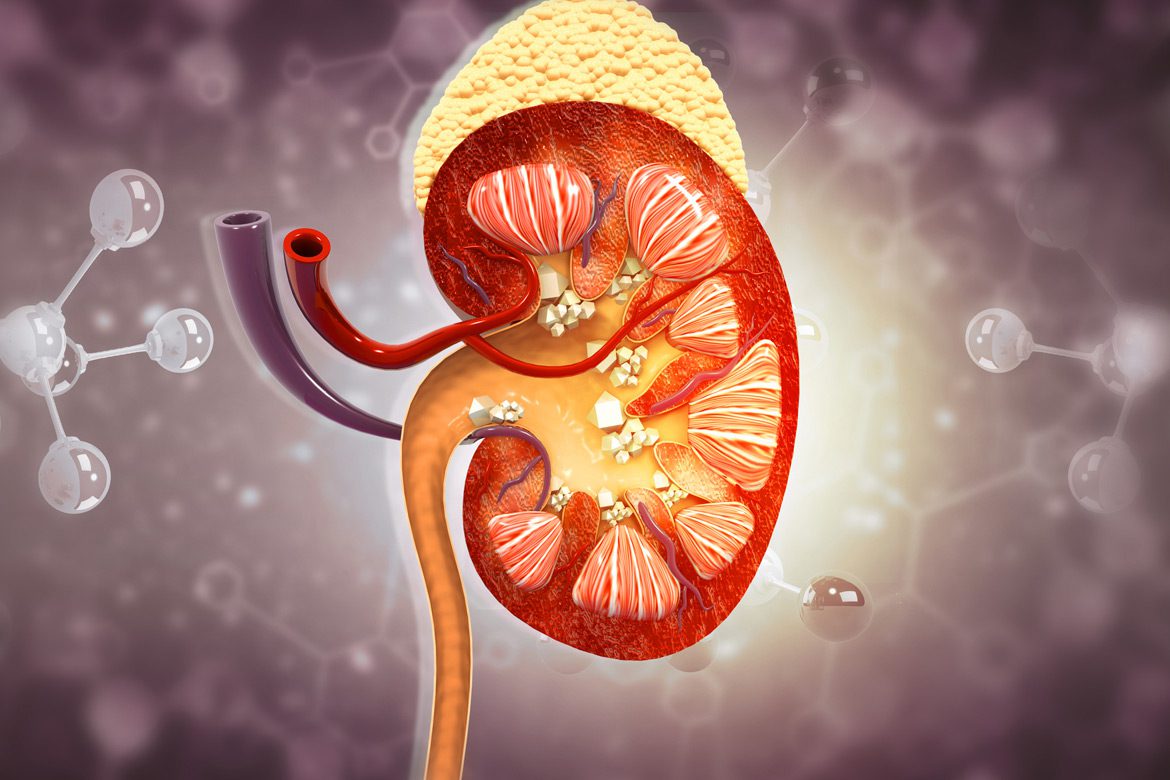
Kidney stones are hard, crystallized deposits that form inside the kidneys when certain minerals and salts in the urine become too concentrated. They can stay in the kidney or move into the ureter, where they may cause severe flank pain, nausea, vomiting, blood in the urine, or difficulty urinating. Some stones pass on their own, while others can obstruct the urinary tract or lead to infection and require medical treatment.

Causes of Kidney Stones

Kidney stones develop when urine becomes overly concentrated, allowing minerals to crystallize and grow. Several factors contribute to this process:

  • Dehydration: Insufficient fluid intake leads to concentrated urine and increases stone‑forming risk.
  • Dietary Factors: High sodium intake, excessive animal protein, and oxalate‑rich foods can promote stone formation.
  • Metabolic Conditions: Hyperparathyroidism, inflammatory bowel disease, and renal tubular acidosis can raise levels of substances that form stones.
  • Family or Personal History: Genetics play a significant role, and individuals with previous stones have a higher risk of recurrence.
  • Obesity: Metabolic changes associated with obesity increase stone‑forming tendencies.
  • Medications and Supplements: Certain prescription medications, high‑dose vitamin C and D, and some antacids may contribute to stone development.
CONTACT US TODAY
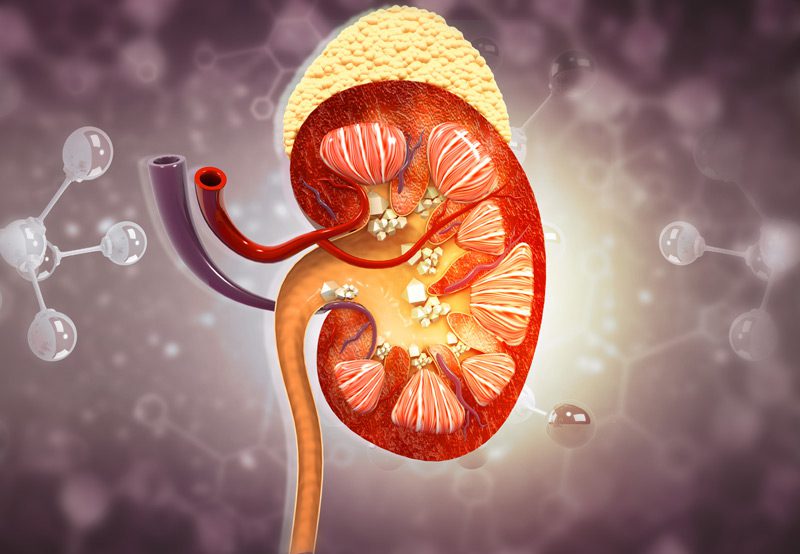
Illustration-of-kidney-anatomy

Symptoms of Kidney Stones

Symptoms depend on stone size and location, but common signs include:

  • Severe flank or abdominal pain
  • Pain that radiates to the groin
  • Blood in the urine (hematuria)
  • Nausea or vomiting
  • Frequent urination or persistent urge to urinate
  • Painful urinationv
  • Fever or chills if infection is present

Diagnosis

Diagnosing kidney stones involves tests that identify the stone, assess its impact, and determine contributing factors:

  • Urinalysis: Detects bloodor infection.
  • Non‑Contrast CT Scan: The most accurate imaging method to determine stone size and location.
  • Ultrasound or X‑Ray (KUB): Alternatives used for follow‑up or in patients depending on preferences for convenience or radiation exposure.
  • Blood Tests: Evaluate kidney function and detect abnormal calcium or uric acid levels.
  • Stone Analysis: Stones that are passed or removed are analyzed to determine their chemical composition.
  • Genetic Testing: For individuals with a family history or suspicion of an inherited condition.

Treatment Options

Treatment depends on stone size, location, symptoms, and overall health:

  • Hydration and Pain Management: Small stones may pass supportive care and pain‑relieving medications.
  • Medical Expulsive Therapy: Medications such as alpha‑blockers can relax the ureter and help stones pass more easily.
  • Shockwave Lithotripsy (SWL): Noninvasive sound waves break stones into small fragments that can be passed naturally.
  • Ureteroscopy with Laser Lithotripsy: A thin scope is used to reach and break stones in the ureter or kidney, with fragments removed with a basket or passed afterward.
  • Percutaneous Nephrolithotomy (PCNL): A minimally invasive procedure used for large or complex stones, involving removal through a small incision in the back. A mini-PCNL procedure uses an even smaller incision for faster recovery.
  • Traditional or Robotic Surgical Removal: Rarely required but used when stones cannot be treated with less invasive methods.

When to See a Urologist

You should see a urologist if you experience severe flank pain, blood in the urine, fever with urinary symptoms, or difficulty passing a stone. Prompt evaluation ensures that stones are treated appropriately and helps prevent complications such as infection, obstruction, or kidney damage. Regular follow‑up is recommended for individuals with recurrent stones to reduce future risk.